Recourse Options

Understanding Recourse Options in Commercial Mortgages

In the realm of commercial real estate finance, recourse refers to the lender's legal right to collect the balance of a loan from the borrower’s personal or corporate assets if the primary collateral (the property) is insufficient to cover the debt after a default. Recourse options determine the extent of a borrower’s personal liability and define the level of risk shared between the lender and the property owner.

1. Full Recourse Loans

In a full recourse mortgage, the borrower and any guarantors are personally responsible for the entire loan amount. If the borrower defaults and a foreclosure sale of the property does not generate enough proceeds to pay off the outstanding debt, the lender can pursue a deficiency judgment. This allows the lender to seize other assets, such as:

  • Personal bank accounts and investments.
  • Other real estate holdings.
  • Business income and corporate assets.
  • Future wages (in certain jurisdictions).

Full recourse loans are common for construction projects, properties with unstable cash flows, or smaller commercial loans where the borrower’s personal credit is a primary factor in the approval process.

2. Non-Recourse Loans

A non-recourse loan limits the lender’s recovery efforts solely to the property used as collateral. If the borrower defaults, the lender can foreclose on the property and take possession, but they cannot pursue the borrower’s personal assets to satisfy any remaining balance. These loans are highly sought after by Real Estate Investment Trusts (REITs) and sophisticated investors because they shield personal wealth from market downturns.

Because the lender takes on higher risk, non-recourse loans typically require:

  • Higher credit standards.
  • Lower Loan-to-Value (LTV) ratios.
  • Stabilized properties with proven income streams.
  • Higher interest rates or fees compared to recourse options.

3. Partial Recourse

Partial recourse is a middle-ground option where the borrower guarantees only a specific percentage of the loan. For example, a borrower might agree to a 25% recourse guarantee. In this scenario, if a default occurs and a deficiency remains, the lender can only pursue the borrower for up to 25% of the original loan amount or the remaining balance, whichever is stipulated in the contract.

4. "Bad Boy" Carve-Outs

Even in a non-recourse agreement, lenders almost always include "Bad Boy" Carve-outs. These are specific clauses that convert a non-recourse loan into a full recourse loan if the borrower commits certain "bad" acts. These acts generally include:

  • Fraud or material misrepresentation.
  • Gross negligence or environmental contamination.
  • Misappropriation of insurance proceeds or tenant security deposits.
  • Filing for voluntary bankruptcy to stall a foreclosure.
  • Unauthorized transfer of the property or ownership interests.

Why Recourse Options Matter

Choosing between recourse and non-recourse options involves a trade-off between risk and cost. A borrower willing to sign a personal guarantee (recourse) may receive more favorable terms, such as a lower interest rate or a higher loan amount. Conversely, an investor looking to protect their broader portfolio may prefer the safety of a non-recourse loan, even if it comes with stricter underwriting requirements and slightly higher costs.

Recourse Options
Definition Options that determine the type of mortgage loan in which the lenders remedies in the event of borrower default are either limited or unlimited, and may extend beyond the property to the borrowers personal assets. Typical options include Recourse, Non- Recourse, or Partial Recourse. Recourse - A type of mortgage loan in which the lenders remedies in the event of borrower default are unlimited, extending beyond the property to the borrowers personal assets. Non-Recourse - A mortgage in which the lender will not pursue personal liability against the borrower. The lenders security is the real estate being financed. Usually subject to standard carveouts including fraud and misrepresentation. Partial Recourse - a combination of recourse and non-recourse conditions.
Type of Word Noun
Click To Hear Pronunciation

Commercial Loan Finder

Fill this form out to find the best commercial loan programs for your needs.

Get A Free Quote

Get a free commercial loan quote. This process does not affect your credit score.

Please put your first name here.
Please put your last name here.
Please put your email here.
Please put your phone number here.
Please select a property type.

Was this page helpful?

Success Stories

See how we've helped borrowers across the country close complex deals and reach their goals.
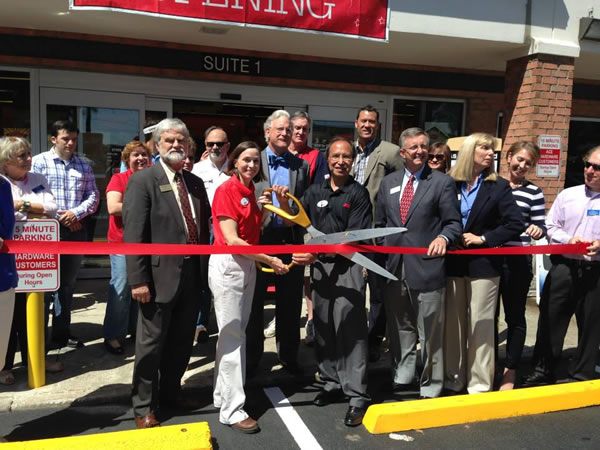
Ace Hardware Franchise Grand Opening - Herb and Gwen Velazquez SBA 7(a)

New Ace Hardware Franchise Financing

Alpharetta, GA Retail Franchise Real Estate + Working Capital

CLD was most helpful from answering my initial questions to the follow up... We would not have been able to start this business without CLD.

— Herb & Gwen Velazquez Read Story
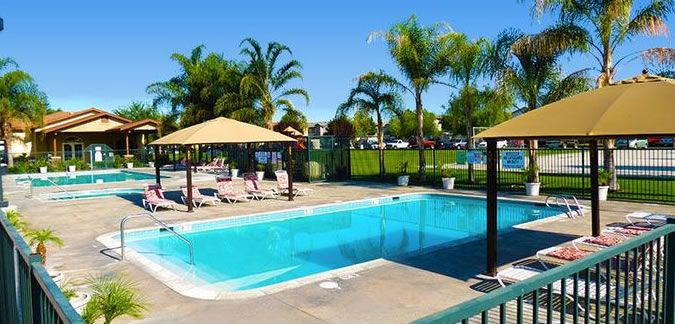
Golden Valley Luxury Apartments - 332 Units, Bakersfield CA CMBS

Apartment Refinance — 332 Units

Bakersfield, CA Luxury Multifamily Non-Recourse · 10-Yr I/O

I had a tremendously good experience with CLD and especially with my loan specialist — she identified the ideal loan program and handled everything professionally.

— Golden Valley Apartments Read Story
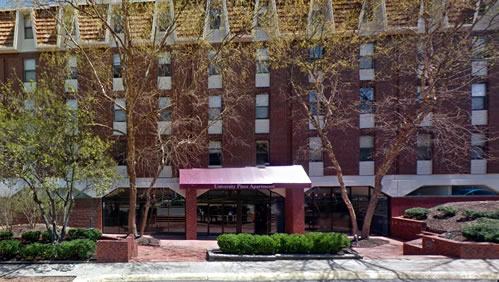
University Place Apartments - Student Housing, Columbia MO Conventional

Student Housing Refinancing — 181 Units

Columbia, MO Mixed-Use Student Housing Non-Recourse · 10-Yr

I felt confident through the process that things were under control, that my interests were protected — always a pleasure to work with.

— Mark Leifield Read Story

Want to see what real clients say about working with us?

Read Our Unfiltered Reviews