Property Class

Definition of Property Class in Commercial Mortgages

In the context of commercial mortgages, a Property Class is a categorization system used by lenders, investors, and appraisers to describe the quality, condition, and investment risk of a commercial real estate asset. These classifications—typically divided into Class A, Class B, and Class C—help lenders determine the terms of a loan, including interest rates, loan-to-value (LTV) ratios, and the overall risk profile of the mortgage.

Detailed Description of Property Classes

Property classification is subjective and can vary by market, but it generally follows specific criteria regarding age, location, amenities, and tenant quality. Understanding these classes is vital for borrowers as they directly impact the underwriting process.

  • Class A Properties: These represent the highest quality buildings in their respective markets. They are typically newer constructions (built within the last 10–15 years) with top-of-the-line finishes, modern infrastructure, and premier locations. In commercial mortgages, Class A properties command the lowest interest rates because they are considered "low risk." They often attract high-credit tenants and have minimal maintenance requirements.
  • Class B Properties: These assets are generally older than Class A but remain well-maintained. They may have slightly dated finishes or fewer luxury amenities. Investors often target Class B properties for "value-add" opportunities, where renovations can bump the building up to Class A status. Lenders view these as moderate risk, offering competitive rates but often requiring more detailed proof of property management experience.
  • Class C Properties: These are typically buildings that are over 20 years old, located in less desirable areas, and in need of significant capital improvements. These properties often have lower occupancy rates and tenants with lower credit scores. Mortgages for Class C properties carry higher interest rates and stricter lending requirements due to the increased risk of vacancy or structural issues.

How Property Class Affects Commercial Lending

Lenders use these classifications to determine the risk-adjusted return on a mortgage. A property’s class influences several key factors of the loan agreement:

1. Interest Rates and Pricing: Class A properties usually qualify for the lowest spreads over benchmark rates, while Class C properties require higher yields to compensate the lender for taking on more risk.

2. Loan-to-Value (LTV) Ratios: Lenders are often willing to provide higher leverage (higher LTV) on Class A and B properties. For a Class C property, a lender might require a larger down payment (lower LTV) to protect against potential fluctuations in property value.

3. Amortization and Term Length: Class A properties often qualify for longer amortization periods (e.g., 25–30 years), whereas lenders may insist on shorter terms or faster repayment schedules for older, Class C assets to mitigate long-term structural or market risks.

4. Capital Reserves: For Class B and C mortgages, lenders frequently require replacement reserves—funds set aside specifically for future repairs and maintenance—to ensure the asset does not deteriorate during the life of the loan.

Property Class
Definition A general classification of real property based on design, construction and finish. Typical options include Class A, Class B, Class C and Class D.
Type of Word Noun
Click To Hear Pronunciation

Commercial Loan Finder

Fill this form out to find the best commercial loan programs for your needs.

Get A Free Quote

Get a free commercial loan quote. This process does not affect your credit score.

Please put your first name here.
Please put your last name here.
Please put your email here.
Please put your phone number here.
Please select a property type.

Was this page helpful?

Success Stories

See how we've helped borrowers across the country close complex deals and reach their goals.

Ace Hardware Franchise Grand Opening - Herb and Gwen Velazquez SBA 7(a)

New Ace Hardware Franchise Financing

Alpharetta, GA Retail Franchise Real Estate + Working Capital

CLD was most helpful from answering my initial questions to the follow up... We would not have been able to start this business without CLD.

— Herb & Gwen Velazquez Read Story

Golden Valley Luxury Apartments - 332 Units, Bakersfield CA CMBS

Apartment Refinance — 332 Units

Bakersfield, CA Luxury Multifamily Non-Recourse · 10-Yr I/O

I had a tremendously good experience with CLD and especially with my loan specialist — she identified the ideal loan program and handled everything professionally.

— Golden Valley Apartments Read Story
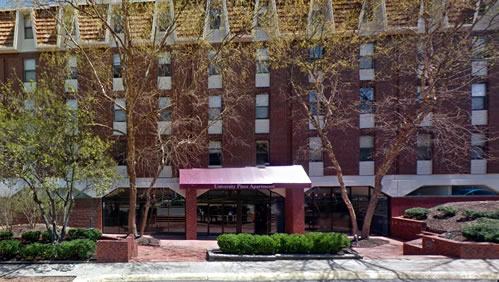
University Place Apartments - Student Housing, Columbia MO Conventional

Student Housing Refinancing — 181 Units

Columbia, MO Mixed-Use Student Housing Non-Recourse · 10-Yr

I felt confident through the process that things were under control, that my interests were protected — always a pleasure to work with.

— Mark Leifield Read Story

Want to see what real clients say about working with us?

Read Our Unfiltered Reviews