Maximum Loan to Cost

Maximum Loan to Cost (LTC)

Maximum Loan to Cost (LTC) is a critical financial metric used by commercial mortgage lenders to determine the maximum loan amount they will provide for a commercial real estate project, specifically during construction or significant renovation. It is expressed as a percentage and represents the ratio of the requested loan amount to the total cost of the project.

Unlike standard mortgages that focus on the appraised value of an existing property, LTC focuses on the actual capital required to bring a project to completion. This includes both the hard costs of construction and the soft costs associated with development.

Detailed Components of Total Cost

In the context of Maximum LTC, the "cost" component typically includes the following items:

  • Land Acquisition: The purchase price of the raw land or the existing structure to be renovated.
  • Hard Costs: The physical costs of construction, including materials, labor, equipment, and site improvements.
  • Soft Costs: Non-physical expenses such as architectural fees, engineering reports, legal fees, permits, and insurance.
  • Contingency Reserves: Funds set aside for unexpected expenses during the build process.

LTC vs. Loan to Value (LTV)

It is important to distinguish between LTC and Loan to Value (LTV). While LTC measures the loan against the cost of construction, LTV measures the loan against the market value of the property once it is completed or stabilized. In many commercial development scenarios, the market value (LTV) is expected to be higher than the total cost (LTC), creating "built-in" equity for the borrower. Lenders use both metrics to ensure the loan is properly collateralized, but LTC is the primary constraint during the funding of the construction phase.

Importance to Lenders and Borrowers

Lenders set a Maximum LTC to mitigate risk and ensure that the borrower has sufficient "skin in the game." By limiting the loan amount to a certain percentage of the cost—typically ranging from 65% to 85% depending on the asset class and market conditions—the lender ensures that the borrower provides the remaining equity. This equity acts as a buffer; if the project encounters cost overruns or market downturns, the borrower's capital is at risk before the lender's capital.

For the borrower, the Maximum LTC dictates how much cash equity or mezzanine financing they must secure to close the gap between the senior loan and the total project budget. A higher Maximum LTC is generally favorable for borrowers as it increases leverage and minimizes the amount of personal or investor capital required up front.

Example Calculation

If a developer is looking to build a commercial warehouse with a total project budget of $10,000,000 and the lender offers a Maximum LTC of 75%, the maximum loan amount would be $7,500,000. The developer would then be responsible for providing the remaining $2,500,000 (25%) in equity to fully fund the project.

Maximum Loan to Cost
Definition The ratio between the principal amount of the mortgage balance, at origination or thereafter, to the current value (or cost of construction if a construction loan) of the underlying real estate collateral. The ratio is commonly expressed to a potential borrower as the percentage of value a lending institution is willing to finance. The ratio is dynamic and varies by lending institution, property type, geographic location, property size, among other things.
Type of Word Noun
Click To Hear Pronunciation

Commercial Loan Finder

Fill this form out to find the best commercial loan programs for your needs.

Get A Free Quote

Get a free commercial loan quote. This process does not affect your credit score.

Please put your first name here.
Please put your last name here.
Please put your email here.
Please put your phone number here.
Please select a property type.

Success Stories

See how we've helped borrowers across the country close complex deals and reach their goals.
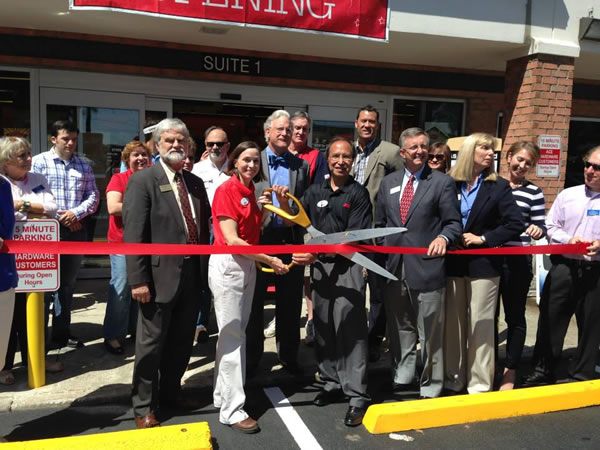
Ace Hardware Franchise Grand Opening - Herb and Gwen Velazquez SBA 7(a)

New Ace Hardware Franchise Financing

Alpharetta, GA Retail Franchise Real Estate + Working Capital

CLD was most helpful from answering my initial questions to the follow up... We would not have been able to start this business without CLD.

— Herb & Gwen Velazquez Read Story

Golden Valley Luxury Apartments - 332 Units, Bakersfield CA CMBS

Apartment Refinance — 332 Units

Bakersfield, CA Luxury Multifamily Non-Recourse · 10-Yr I/O

I had a tremendously good experience with CLD and especially with my loan specialist — she identified the ideal loan program and handled everything professionally.

— Golden Valley Apartments Read Story
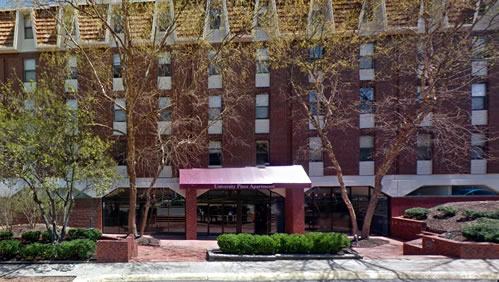
University Place Apartments - Student Housing, Columbia MO Conventional

Student Housing Refinancing — 181 Units

Columbia, MO Mixed-Use Student Housing Non-Recourse · 10-Yr

I felt confident through the process that things were under control, that my interests were protected — always a pleasure to work with.

— Mark Leifield Read Story

Want to see what real clients say about working with us?

Read Our Unfiltered Reviews

Was this page helpful?