Loss to Lease

Definition of Loss to Lease

Loss to Lease (L2L) is a real estate accounting term that quantifies the difference between the current market rental rates and the actual rent being collected according to existing lease contracts. In the context of commercial mortgages, it represents the "lost" income a property owner experiences because tenants are locked into lease agreements at rates lower than what the property could command if those units were leased today at prevailing market prices.

Impact on Commercial Mortgage Underwriting

When a lender evaluates a commercial mortgage application, they focus heavily on the property's Net Operating Income (NOI). Loss to Lease is a critical factor in this calculation because it bridges the gap between the Gross Potential Rent (GPR)—the maximum possible income if all units were leased at market rates—and the actual Effective Gross Income.

Lenders typically view Loss to Lease in the following ways:

  • Risk Assessment: A high Loss to Lease figure suggests that the property is "under-rented." While this represents a loss in current cash flow, it often indicates an upside potential for the lender, as the income is likely to increase as old leases expire and are renewed at higher market rates.
  • Valuation: Since commercial property value is often derived from income (using a capitalization rate), a significant Loss to Lease can mean the property's current appraised value is lower than its potential value, affecting the Loan-to-Value (LTV) ratio.
  • Debt Service Coverage Ratio (DSCR): Lenders use the actual income (after Loss to Lease) to determine if the property generates enough cash to cover mortgage payments. They generally do not allow "potential" market rent to be used to qualify for a loan; they rely on the contractual rent.

Common Causes of Loss to Lease

There are several reasons why a commercial property might experience a significant Loss to Lease gap:

  • Long-Term Lease Agreements: In commercial sectors like retail or industrial, leases may last 10 to 20 years. If market rents rise sharply during that period, the gap between the 10-year-old contract price and the current market price grows.
  • Rapidly Rising Markets: In a "hot" real estate market, market rents may increase faster than a landlord can turn over units or apply annual rent escalations.
  • Rent Control or Stabilization: Legislative caps on rent increases can prevent a landlord from ever reaching full market rent with an existing tenant.
  • Step-Up Leases: Some leases include incremental increases that may not keep pace with unexpected inflationary spikes in the broader market.

Significance for Borrowers

For a borrower seeking a commercial mortgage, a large Loss to Lease can be a double-edged sword. While it may limit the amount of initial financing available due to current lower cash flows, it serves as a strong argument for future revenue growth. Many investors use "bridge loans" to acquire properties with high Loss to Lease, intending to renovate units, raise rents to market levels, and then refinance into a permanent commercial mortgage once the Loss to Lease has been captured as realized income.

Loss to Lease
Definition The difference between the market rental rate for a property and the rent being paid for a similar property. It is an indicator of the changing market conditions. For example, if a property was leased for a one-year term at $1 000 per month and currently the market is getting $1,100 per month on similar properties, the loss to lease is $100 per month. Also called Free To Lease Difference.
Type of Word Noun
Click To Hear Pronunciation

Commercial Loan Finder

Fill this form out to find the best commercial loan programs for your needs.

Get A Free Quote

Get a free commercial loan quote. This process does not affect your credit score.

Please put your first name here.
Please put your last name here.
Please put your email here.
Please put your phone number here.
Please select a property type.

Was this page helpful?

Success Stories

See how we've helped borrowers across the country close complex deals and reach their goals.
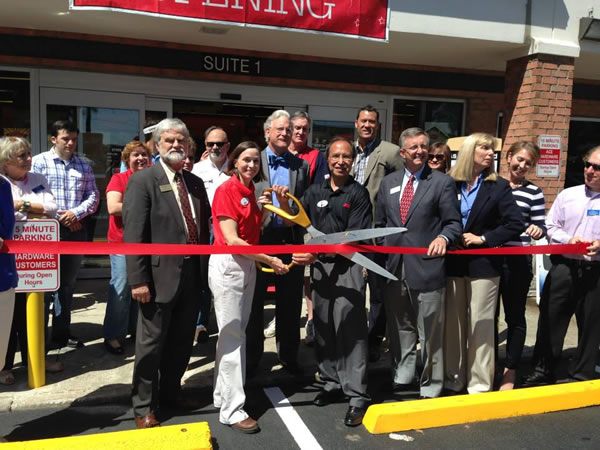
Ace Hardware Franchise Grand Opening - Herb and Gwen Velazquez SBA 7(a)

New Ace Hardware Franchise Financing

Alpharetta, GA Retail Franchise Real Estate + Working Capital

CLD was most helpful from answering my initial questions to the follow up... We would not have been able to start this business without CLD.

— Herb & Gwen Velazquez Read Story
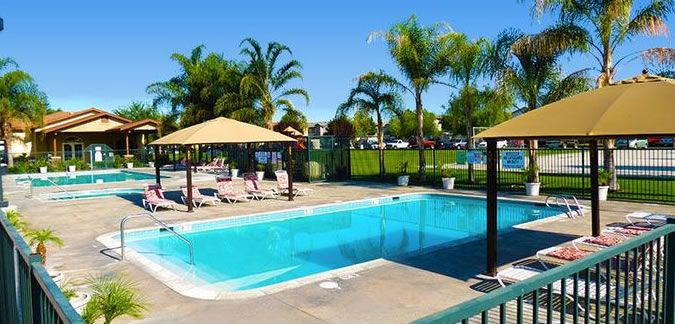
Golden Valley Luxury Apartments - 332 Units, Bakersfield CA CMBS

Apartment Refinance — 332 Units

Bakersfield, CA Luxury Multifamily Non-Recourse · 10-Yr I/O

I had a tremendously good experience with CLD and especially with my loan specialist — she identified the ideal loan program and handled everything professionally.

— Golden Valley Apartments Read Story
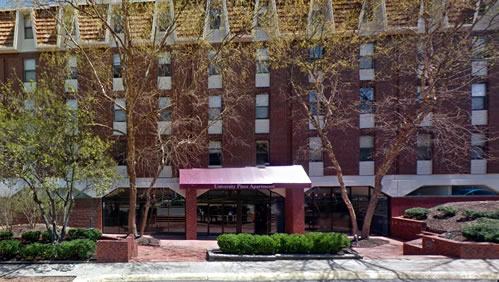
University Place Apartments - Student Housing, Columbia MO Conventional

Student Housing Refinancing — 181 Units

Columbia, MO Mixed-Use Student Housing Non-Recourse · 10-Yr

I felt confident through the process that things were under control, that my interests were protected — always a pleasure to work with.

— Mark Leifield Read Story

Want to see what real clients say about working with us?

Read Our Unfiltered Reviews