TIILC

Definition of TIILC

In the realm of commercial real estate finance and commercial mortgages, TIILC stands for Tenant Improvements and Leasing Commissions. This acronym represents the two primary "soft costs" or capital expenditures that a property owner must pay to secure a new tenant or retain an existing one. Lenders scrutinize these figures closely because they directly impact the property's cash flow and the landlord's ability to maintain high occupancy levels.

Detailed Description of Components

To understand TIILC, it is necessary to break down its two constituent parts:

  • Tenant Improvements (TI): These are the costs associated with the physical build-out or renovation of a commercial space to suit the specific needs of a tenant. Depending on the lease agreement, a landlord may provide a Tenant Improvement Allowance (a set dollar amount per square foot) to the tenant to cover these costs, or the landlord may manage the construction themselves. Examples include installing new partitions, flooring, plumbing, or specialized electrical work.
  • Leasing Commissions (LC): These are the fees paid to real estate brokers for their services in procuring a tenant and negotiating the lease. These commissions are typically calculated as a percentage of the total lease value over the life of the term and are usually paid by the landlord upon the execution of the lease or when the tenant moves in.

The Role of TIILC in Commercial Mortgages

For a commercial mortgage lender, TIILC is a critical factor in underwriting and ongoing loan management. Because these costs are recurring and necessary to keep a building tenanted, they are treated as a deduction from the property’s potential income. There are three primary ways TIILC affects a mortgage:

  • TI/LC Reserves: Most commercial lenders require borrowers to maintain a TI/LC Reserve Account. This is an escrow account where the borrower makes monthly deposits (often referred to as "replenishing the pot") to ensure that when a lease expires, the landlord has the necessary cash on hand to attract a new tenant without needing additional financing.
  • Underwriting and NOI: When calculating the Net Operating Income (NOI) to determine a loan amount, lenders often use a "standardized" or "normalized" TIILC figure. They subtract these anticipated costs from the income to arrive at an Adjusted NOI, which provides a more conservative and realistic view of the property's ability to service its debt.
  • Speculative Risk: If a property has a high number of leases expiring during the loan term (known as rollover risk), the lender will focus heavily on the TIILC budget. If the borrower does not have sufficient funds to cover these costs, the property risk increases significantly, as vacant space generates no income to pay the mortgage.

In summary, TIILC represents the reinvestment required to keep a commercial property competitive and occupied. For a borrower, managing these costs effectively is the key to maintaining a healthy relationship with their lender and ensuring the long-term solvency of the asset.

TIILC
Definition A guideline that suggests the minimum required reserves for tenant improvement and leasing commission replacement reserves (TILC) for the proposed loan. Lenders base this guideline on numerous factors including property type, loan amount, proposed loan to value and debt service coverage, and numerous physical, financial and tenancy factors identified in the proposed loan. This guideline can be used as the default value to calculate loan results. Tenant Improvements refers to the expense to physically improve the property to attract new tenants to new or vacated space, which may include new improvements or remodeling. May be paid by tenant, lessor, or both. Typically, tenants are provided with a market rate TI allowance ($Isq. ft.) that the owner will contribute towards improvements. The tenant must pay for amounts above the TI allowance desired by the tenant. A Leasing Commission is an amount, usually a percentage of the total lease transaction, earned by a real estate broker or leasing agent for his services. Combined, the annual projected cost of tenant improvements and leasing commissions (TILCs) are deducted from the net operating income prior to determining the net cash flow available for debt service coverage.
Type of Word Noun
Click To Hear Pronunciation

Commercial Loan Finder

Fill this form out to find the best commercial loan programs for your needs.

Get A Free Quote

Get a free commercial loan quote. This process does not affect your credit score.

Please put your first name here.
Please put your last name here.
Please put your email here.
Please put your phone number here.
Please select a property type.

Success Stories

See how we've helped borrowers across the country close complex deals and reach their goals.
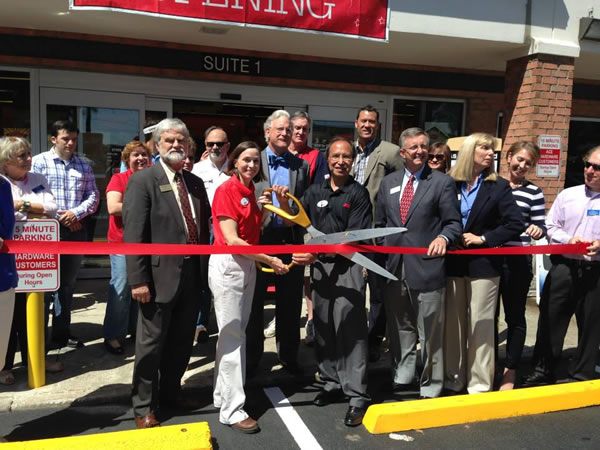
Ace Hardware Franchise Grand Opening - Herb and Gwen Velazquez SBA 7(a)

New Ace Hardware Franchise Financing

Alpharetta, GA Retail Franchise Real Estate + Working Capital

CLD was most helpful from answering my initial questions to the follow up... We would not have been able to start this business without CLD.

— Herb & Gwen Velazquez Read Story

Golden Valley Luxury Apartments - 332 Units, Bakersfield CA CMBS

Apartment Refinance — 332 Units

Bakersfield, CA Luxury Multifamily Non-Recourse · 10-Yr I/O

I had a tremendously good experience with CLD and especially with my loan specialist — she identified the ideal loan program and handled everything professionally.

— Golden Valley Apartments Read Story
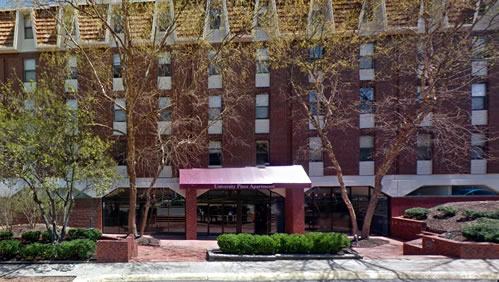
University Place Apartments - Student Housing, Columbia MO Conventional

Student Housing Refinancing — 181 Units

Columbia, MO Mixed-Use Student Housing Non-Recourse · 10-Yr

I felt confident through the process that things were under control, that my interests were protected — always a pleasure to work with.

— Mark Leifield Read Story

Want to see what real clients say about working with us?

Read Our Unfiltered Reviews

Was this page helpful?