Tenant Improvements

Understanding Tenant Improvements (TI)

Tenant Improvements (also known as Leasehold Improvements or TI) refer to the customized alterations made to the interior of a commercial property to meet the specific needs of a particular tenant. These changes can range from simple aesthetic updates, such as new carpeting and paint, to significant structural reconfigurations, such as moving walls, installing specialized plumbing, or upgrading electrical systems. In the context of a commercial mortgage, TIs are a fundamental component of the lease negotiation and the overall valuation of the asset.

Typically, these improvements are negotiated during the leasing process. The landlord may agree to pay for these changes to attract or retain a tenant, or the tenant may pay for them in exchange for lower rent or other concessions. From a lender's perspective, Tenant Improvements are a critical factor in determining the collateral value and the stability of cash flow for the property.

The Role of Tenant Improvements in Commercial Mortgages

When a lender evaluates a commercial mortgage application, they look closely at the budget allocated for Tenant Improvements. This is because TIs directly impact the net operating income (NOI) and the liquidity of the borrower. Key considerations include:

  • TI Allowance (TIA): This is a specific dollar amount per square foot that the landlord (the borrower) agrees to provide the tenant for renovations. Lenders must account for these future obligations when calculating the Debt Service Coverage Ratio (DSCR).
  • TI Reserves/Holdbacks: Lenders often require borrowers to maintain a replacement reserve or a leasing reserve account. This ensures that money is set aside specifically to fund improvements for future tenants, protecting the lender from the risk of a "dark" or unleaseable space.
  • Collateral Value: While TIs improve the utility of a space for a current tenant, some improvements are "special purpose" and may not add value for future occupants. Lenders prefer general-purpose improvements that make the space more marketable to a wider range of potential tenants.
  • Loan-to-Cost (LTC) Ratios: In construction or renovation loans, the cost of Tenant Improvements is often rolled into the total loan amount, influencing the final Loan-to-Value (LTV) ratio.

Common Types of Tenant Improvements

The scope of Tenant Improvements varies significantly depending on the industry and the original state of the building. Common examples include:

  • Office Space: Installation of partitions, conference rooms, breakrooms, and specialized data cabling.
  • Retail Space: Customized shelving, lighting fixtures, storefront modifications, and changing rooms.
  • Industrial/Warehouse: Adding office "pods" inside a warehouse, reinforcing floors for heavy machinery, or installing specialized HVAC systems for climate-controlled storage.
  • Medical: Lead-lined walls for X-ray rooms, specialized plumbing for exam sinks, and medical-grade flooring.

Financial Impact and Ownership

From an accounting and legal standpoint, Tenant Improvements are usually considered permanent fixtures. This means that although they are designed for a specific tenant, they generally remain the property of the landlord once the lease expires. For the borrower of a commercial mortgage, these improvements are depreciable assets, which can provide significant tax benefits over the useful life of the improvement.

In summary, Tenant Improvements are a vital tool for maintaining occupancy rates and increasing the marketability of a commercial property. However, because they represent a significant capital expenditure, they are scrutinized by lenders to ensure that the borrower has the financial capacity to fund them without compromising the ability to service the mortgage debt.

Tenant Improvements
Definition Improvements or renovations made to the property to attract new tenants to new or vacated space which may include new improvements or remodeling. May be paid by tenant, landlord or both. Typically, tenants are provided with a market rate TI allowance ($Isq. ft.) that the owner will contribute towards improvements. Amounts above the TI allowance that the tenant wants must be paid for by the tenant.
Type of Word Noun
Click To Hear Pronunciation

Commercial Loan Finder

Fill this form out to find the best commercial loan programs for your needs.

Get A Free Quote

Get a free commercial loan quote. This process does not affect your credit score.

Please put your first name here.
Please put your last name here.
Please put your email here.
Please put your phone number here.
Please select a property type.

Was this page helpful?

Success Stories

See how we've helped borrowers across the country close complex deals and reach their goals.

Ace Hardware Franchise Grand Opening - Herb and Gwen Velazquez SBA 7(a)

New Ace Hardware Franchise Financing

Alpharetta, GA Retail Franchise Real Estate + Working Capital

CLD was most helpful from answering my initial questions to the follow up... We would not have been able to start this business without CLD.

— Herb & Gwen Velazquez Read Story
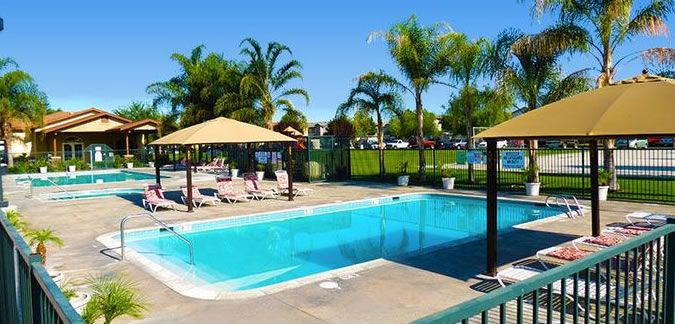
Golden Valley Luxury Apartments - 332 Units, Bakersfield CA CMBS

Apartment Refinance — 332 Units

Bakersfield, CA Luxury Multifamily Non-Recourse · 10-Yr I/O

I had a tremendously good experience with CLD and especially with my loan specialist — she identified the ideal loan program and handled everything professionally.

— Golden Valley Apartments Read Story
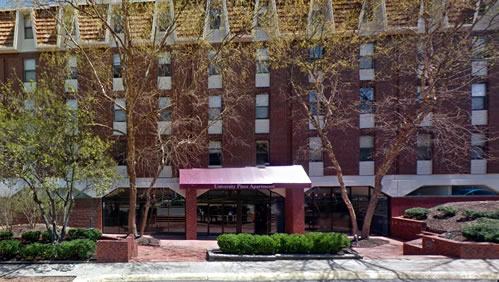
University Place Apartments - Student Housing, Columbia MO Conventional

Student Housing Refinancing — 181 Units

Columbia, MO Mixed-Use Student Housing Non-Recourse · 10-Yr

I felt confident through the process that things were under control, that my interests were protected — always a pleasure to work with.

— Mark Leifield Read Story

Want to see what real clients say about working with us?

Read Our Unfiltered Reviews