Senior Housing

Definition of Senior Housing in Commercial Mortgages

In the context of commercial mortgages, Senior Housing refers to a specialized category of multi-unit residential real estate designed specifically for the elderly population, typically those aged 55 and older. Unlike standard multi-family housing, Senior Housing is viewed by lenders as a "hybrid" asset class because the property's value and cash flow are derived from both real estate rentals and operational services, such as healthcare, meals, and specialized personal care.

Detailed Description of Asset Types

Commercial mortgage underwriters categorize Senior Housing into several distinct tiers based on the level of care provided. Each tier carries a different risk profile and requires specific management expertise:

  • Independent Living (IL): These properties are designed for seniors who require little to no assistance with daily activities. Financing for IL is often similar to traditional multi-family mortgages, as the income is primarily driven by rent.
  • Assisted Living (AL): These facilities provide residents with help for "Activities of Daily Living" (ADLs), such as bathing, dressing, and medication management. Because AL involves higher operational costs and regulatory oversight, lenders focus heavily on the experience of the facility operator.
  • Memory Care (MC): A specialized form of assisted living for residents with Alzheimer's, dementia, or other cognitive impairments. These properties require high staffing ratios and specialized security features, often commanding higher rents but carrying higher operational risks.
  • Skilled Nursing Facilities (SNF): These provide 24-hour medical care and are highly regulated. In the mortgage industry, SNFs are often viewed as more "business-heavy" than "real estate-heavy" due to their reliance on government reimbursements like Medicare and Medicaid.
  • Continuing Care Retirement Communities (CCRC): Large-scale developments that offer a "continuum of care," allowing residents to move from IL to AL to SNF within the same campus. Financing for CCRCs is complex due to the varying levels of service and potential entrance fee structures.

Commercial Mortgage Characteristics

When securing a commercial mortgage for Senior Housing, several unique factors influence the loan terms and approval process:

  • Operational Oversight: Lenders do not just evaluate the physical building; they perform deep "due diligence" on the operator. A facility with a poor health-survey history or inexperienced management is unlikely to secure competitive financing.
  • Regulatory Licensure: Most senior housing assets require state-specific licenses to operate. A commercial mortgage typically includes covenants requiring the owner to maintain these licenses in good standing to avoid default.
  • Revenue Mix: Financing terms vary based on whether the revenue is "Private Pay" (residents paying out of pocket) or "Government Pay" (reimbursements from the state or federal government). Lenders generally prefer a higher percentage of Private Pay residents.
  • Valuation Metrics: While traditional apartments are valued on Net Operating Income (NOI), Senior Housing valuations often account for the Business Enterprise Value, acknowledging that the brand and the service quality are intrinsic to the property’s worth.

Common Financing Sources

There are several primary avenues for Senior Housing commercial mortgages, each with specific requirements:

  • HUD/FHA (Section 232): A popular program for Assisted Living and Skilled Nursing that offers long-term, fixed-rate, non-recourse financing, though it often involves a longer closing timeline.
  • Agency Lending (Fannie Mae/Freddie Mac): These programs offer competitive rates for stabilized Independent Living and Assisted Living properties that meet specific quality standards.
  • Bridge Loans: Often used for properties that are currently being "turned around," renovated, or are in the process of filling vacancies (lease-up) before they qualify for permanent financing.
  • CMBS and Private Banks: Traditional lenders provide Senior Housing loans but may require recourse (personal guarantees) or higher equity contributions compared to Agency or HUD loans.
Senior Housing
Definition Identifies whether the property is occupied by senior citizens (age 55 or over).
Type of Word Noun
Click To Hear Pronunciation

Commercial Loan Finder

Fill this form out to find the best commercial loan programs for your needs.

Get A Free Quote

Get a free commercial loan quote. This process does not affect your credit score.

Please put your first name here.
Please put your last name here.
Please put your email here.
Please put your phone number here.
Please select a property type.

Was this page helpful?

Success Stories

See how we've helped borrowers across the country close complex deals and reach their goals.
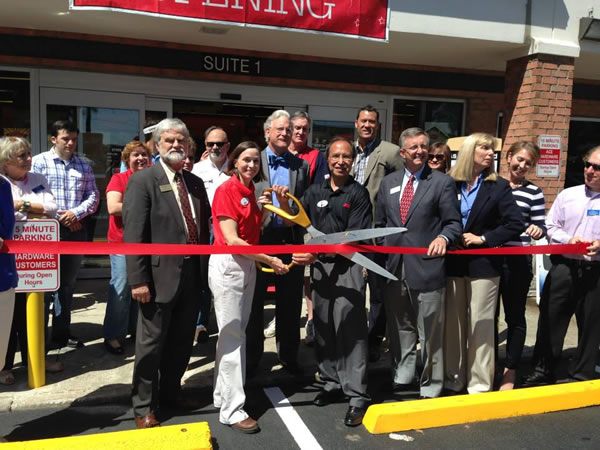
Ace Hardware Franchise Grand Opening - Herb and Gwen Velazquez SBA 7(a)

New Ace Hardware Franchise Financing

Alpharetta, GA Retail Franchise Real Estate + Working Capital

CLD was most helpful from answering my initial questions to the follow up... We would not have been able to start this business without CLD.

— Herb & Gwen Velazquez Read Story
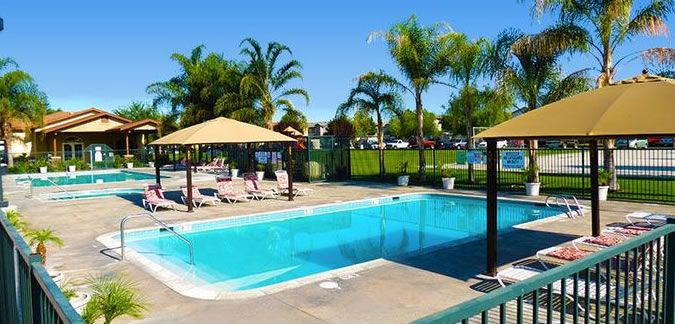
Golden Valley Luxury Apartments - 332 Units, Bakersfield CA CMBS

Apartment Refinance — 332 Units

Bakersfield, CA Luxury Multifamily Non-Recourse · 10-Yr I/O

I had a tremendously good experience with CLD and especially with my loan specialist — she identified the ideal loan program and handled everything professionally.

— Golden Valley Apartments Read Story
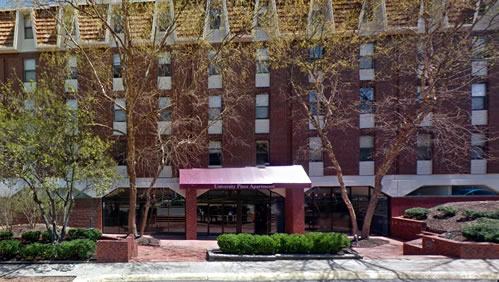
University Place Apartments - Student Housing, Columbia MO Conventional

Student Housing Refinancing — 181 Units

Columbia, MO Mixed-Use Student Housing Non-Recourse · 10-Yr

I felt confident through the process that things were under control, that my interests were protected — always a pleasure to work with.

— Mark Leifield Read Story

Want to see what real clients say about working with us?

Read Our Unfiltered Reviews