Replacement Reserves

Definition of Replacement Reserves

In the context of commercial mortgages, Replacement Reserves (also referred to as Capital Reserves) are funds set aside periodically to pay for the future replacement of major structural components or systems of a commercial property. These funds are specifically earmarked for capital expenditures (CapEx)—items that have a limited useful life and will eventually wear out—rather than for routine, day-to-day maintenance and cleaning.

Detailed Description and Purpose

Lenders require replacement reserves to protect the value of the collateral securing the loan. By ensuring that funds are available for major repairs, the lender reduces the risk that the property will fall into disrepair, which could lead to a decrease in property value, lower occupancy rates, or a default on the mortgage. These funds act as a "sinking fund" to ensure the borrower is not hit with a massive, unmanageable expense all at once.

Replacement reserves are typically held in an escrow account managed by the lender. The borrower makes monthly payments into this account alongside their principal, interest, taxes, and insurance (PITI) payments. When a major component needs to be replaced, the borrower submits a request to the lender to release the necessary funds from the reserve account.

Common items funded by replacement reserves include:

  • Roofing: Full replacement or major structural repairs of the roof system.
  • HVAC Systems: Replacement of large heating, ventilation, and air conditioning units.
  • Paving: Resurfacing or complete replacement of parking lots and private driveways.
  • Exterior Elements: Significant items such as exterior painting, siding replacement, or window upgrades.
  • Common Areas: Replacing carpeting, flooring, or lighting in shared lobbies and hallways.
  • Major Plumbing and Electrical: Replacement of water heaters, boilers, or electrical panels.

Calculation of Reserve Amounts

The specific amount required for replacement reserves is usually determined during the loan underwriting process. Lenders often order a Property Condition Assessment (PCA) where a professional engineer inspects the property to estimate the remaining useful life of its various components. Based on this report, the lender calculates an annual reserve amount.

These amounts are generally calculated in one of two ways:

  • Per Unit Basis: Frequently used for multifamily properties (e.g., $250 to $500 per unit, per year).
  • Per Square Foot Basis: Common for retail, office, and industrial properties (e.g., $0.10 to $0.25 per square foot, per year).

While Replacement Reserves are a requirement of the lender, they are also a vital component of a property's Net Operating Income (NOI) calculation. Investors must account for these reserves to understand the true cash flow and long-term financial health of a commercial real estate investment.

Replacement Reserves
Definition A guideline provided by Lenders that suggests the minimum required replacement reserves (or capital expenditures) for the proposed loan. This guideline is based on numerous factors including property type, loan amount, proposed loan to value and debt service coverage, and numerous physical, financial and tenancy factors identified in the proposed loan. Unless manually adjusted by the Originator or Lender, typically this guideline is used as the default value to calculate loan results. Replacement reserves are various account(s) maintained (typically by the Lender) to provide funds for anticipated expenditures required to maintain a building. A reserve account usually is required by a lender in the form of an escrow to pay upcoming taxes and insurance costs. A replacement reserve is usually an amount set aside from net operating income to pay for the eventual wearing out of short—lived assets; monthly deposits that a lender may require a borrower to a reserve in an account, along with principal and interest payments for future capital improvements of major building systems (e.g. HVAC, parking lot, carpets, roof, etc.). Replacement reserves are typically calculated on a per unit basis (e.g. multifamily - per unit; office, retail, industrial - per square foot; etc.).
Type of Word Noun
Click To Hear Pronunciation

Commercial Loan Finder

Fill this form out to find the best commercial loan programs for your needs.

Get A Free Quote

Get a free commercial loan quote. This process does not affect your credit score.

Please put your first name here.
Please put your last name here.
Please put your email here.
Please put your phone number here.
Please select a property type.

Success Stories

See how we've helped borrowers across the country close complex deals and reach their goals.

Ace Hardware Franchise Grand Opening - Herb and Gwen Velazquez SBA 7(a)

New Ace Hardware Franchise Financing

Alpharetta, GA Retail Franchise Real Estate + Working Capital

CLD was most helpful from answering my initial questions to the follow up... We would not have been able to start this business without CLD.

— Herb & Gwen Velazquez Read Story
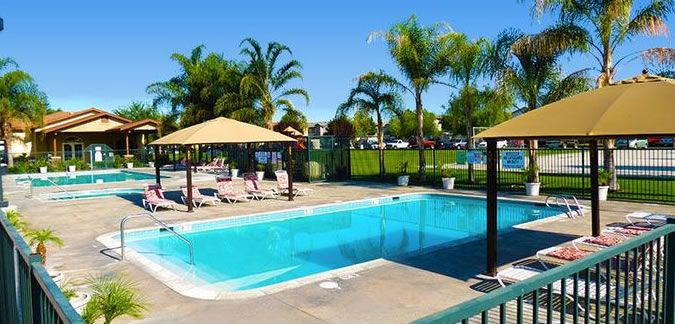
Golden Valley Luxury Apartments - 332 Units, Bakersfield CA CMBS

Apartment Refinance — 332 Units

Bakersfield, CA Luxury Multifamily Non-Recourse · 10-Yr I/O

I had a tremendously good experience with CLD and especially with my loan specialist — she identified the ideal loan program and handled everything professionally.

— Golden Valley Apartments Read Story
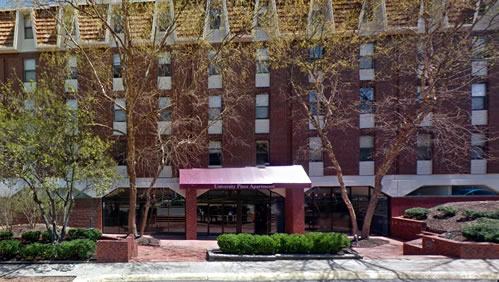
University Place Apartments - Student Housing, Columbia MO Conventional

Student Housing Refinancing — 181 Units

Columbia, MO Mixed-Use Student Housing Non-Recourse · 10-Yr

I felt confident through the process that things were under control, that my interests were protected — always a pleasure to work with.

— Mark Leifield Read Story

Want to see what real clients say about working with us?

Read Our Unfiltered Reviews

Was this page helpful?