Phase I

Definition of a Phase I Environmental Site Assessment

In the context of commercial mortgages, a Phase I Environmental Site Assessment (ESA) is a report prepared for a real estate holding that identifies potential or existing environmental contamination liabilities. The assessment, typically required by lenders before approving a loan, evaluates the environmental condition of a property based on a review of historical records, interviews, and a physical walkthrough of the site. The primary goal of a Phase I ESA is to identify Recognized Environmental Conditions (RECs), which indicate the presence or likely presence of hazardous substances or petroleum products on the property.

Detailed Description and Process

The Phase I ESA is a critical step in the "due diligence" process for commercial real estate transactions. Most reports are conducted in accordance with the ASTM E1527-21 standard, which satisfies the All Appropriate Inquiries (AAI) rule required by the Environmental Protection Agency (EPA). By performing this assessment, a buyer or lender can establish a defense against liability under the Comprehensive Environmental Response, Compensation, and Liability Act (CERCLA).

A standard Phase I ESA includes four main components:

  • Records Review: An environmental professional examines public records, including historical aerial photographs, fire insurance maps (such as Sanborn maps), property tax files, and land title records. They also search federal, state, and local databases for reports of chemical spills, leaking underground storage tanks, and nearby contaminated sites.
  • Site Reconnaissance: A visual inspection of the property and its improvements is conducted. The professional looks for signs of environmental issues, such as distressed vegetation, stained soil, floor drains, odors, or unidentified containers. They also observe the neighboring properties to see if adjacent activities could impact the site in question.
  • Interviews: The investigator conducts interviews with current and past owners, property managers, and occupants to gather information regarding the site's history and any known environmental concerns. Local government officials, such as those in the fire or health departments, may also be contacted.
  • Reporting: The findings are compiled into a comprehensive written report. This document concludes whether the investigation revealed any RECs. If no issues are found, the report may recommend no further action.

Why Lenders Require a Phase I

Commercial lenders require a Phase I ESA to protect their collateral. If a borrower defaults on a mortgage and the lender forecloses on a contaminated property, the lender could potentially be held responsible for the costly cleanup of hazardous waste. Furthermore, environmental contamination can significantly decrease a property’s market value, making it insufficient to cover the loan balance. By requiring a Phase I, lenders ensure the property is a sound investment and that the borrower is aware of any potential cleanup obligations that could affect their ability to repay the debt.

If a Phase I ESA identifies significant concerns, the lender may require a Phase II Environmental Site Assessment. This subsequent step involves actual testing and sampling of soil, groundwater, or building materials to determine the extent of the contamination discovered during the Phase I process.

Phase I
Definition An assessment and report prepared by a professional environmental consultant which reviews the property - both land and improvements - to ascertain the presence or potential presence of environmental hazards at the property such as underground water contamination, PCB’s, abandoned disposal of paints and other chemicals, asbestos and a wide range of other potentially damaging materials. This Phase I Environmental Site Assessment (‘ESA’) provides a review and makes a recommendation as to whether further investigation is warranted (a Phase II Environmental Site Assessment). This latter report would confirm or disavow the presence of an environmental hazard and, should one be found, will recommend additional review and/or mitigation efforts that should be undertaken.
Type of Word Noun
Click To Hear Pronunciation

Commercial Loan Finder

Fill this form out to find the best commercial loan programs for your needs.

Get A Free Quote

Get a free commercial loan quote. This process does not affect your credit score.

Please put your first name here.
Please put your last name here.
Please put your email here.
Please put your phone number here.
Please select a property type.

Success Stories

See how we've helped borrowers across the country close complex deals and reach their goals.
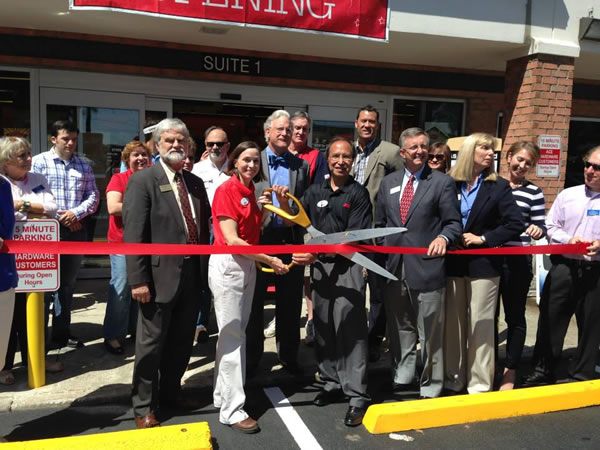
Ace Hardware Franchise Grand Opening - Herb and Gwen Velazquez SBA 7(a)

New Ace Hardware Franchise Financing

Alpharetta, GA Retail Franchise Real Estate + Working Capital

CLD was most helpful from answering my initial questions to the follow up... We would not have been able to start this business without CLD.

— Herb & Gwen Velazquez Read Story

Golden Valley Luxury Apartments - 332 Units, Bakersfield CA CMBS

Apartment Refinance — 332 Units

Bakersfield, CA Luxury Multifamily Non-Recourse · 10-Yr I/O

I had a tremendously good experience with CLD and especially with my loan specialist — she identified the ideal loan program and handled everything professionally.

— Golden Valley Apartments Read Story
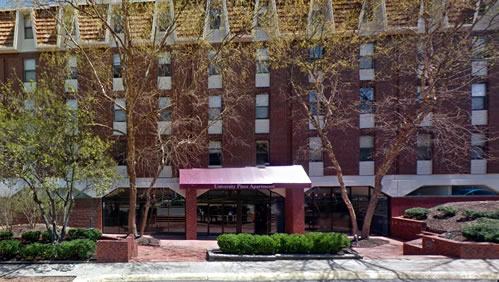
University Place Apartments - Student Housing, Columbia MO Conventional

Student Housing Refinancing — 181 Units

Columbia, MO Mixed-Use Student Housing Non-Recourse · 10-Yr

I felt confident through the process that things were under control, that my interests were protected — always a pleasure to work with.

— Mark Leifield Read Story

Want to see what real clients say about working with us?

Read Our Unfiltered Reviews

Was this page helpful?