Operating Expense Ratio

Operating Expense Ratio (OER) in Commercial Mortgages

The Operating Expense Ratio (OER) is a critical financial metric used by real estate investors and commercial lenders to evaluate the operational efficiency of an income-producing property. It measures the cost of operating a property relative to the income it generates, providing a clear picture of how much of the gross income is consumed by day-to-day expenses.

The formula for calculating the OER is:

OER = Total Operating Expenses / Effective Gross Income

Components of the Calculation

  • Total Operating Expenses: these include the costs necessary to maintain the property and keep it competitive in the market. Common examples are property taxes, insurance, utilities, property management fees, repairs, maintenance, and landscaping. It is important to note that operating expenses do not include mortgage payments (debt service), depreciation, or major capital expenditures.
  • Effective Gross Income (EGI): This is the total potential income the property can generate (Gross Potential Rent) plus other income sources like parking or laundry fees, minus an allowance for vacancy and credit losses.

The Importance of OER in Commercial Mortgage Underwriting

In the context of a commercial mortgage, lenders use the OER as a primary tool for risk assessment and underwriting. Because the OER directly impacts the Net Operating Income (NOI), it determines the property's ability to "carry" a loan. Lenders look at this ratio for several key reasons:

  • Benchmarking Performance: Lenders compare a property’s OER against industry standards for similar asset classes (such as multi-family, industrial, or retail) within the same geographic market. If a property's OER is significantly higher than its peers, it may indicate management inefficiencies or hidden physical problems with the building.
  • Assessing Cash Flow Stability: A stable or low OER suggests that the property is well-managed and has a healthy "cushion" to cover the debt service coverage ratio (DSCR). If operating expenses are too high, there is less remaining cash flow to pay the mortgage, increasing the risk of default.
  • Verifying Expense Estimates: During the loan application process, borrowers provide pro forma statements. Lenders use historical OER data to verify if the borrower’s projected expenses are realistic. If a borrower projects an OER of 25% for a property type that typically operates at 40%, the lender will likely adjust the numbers to be more conservative.

Interpreting the Ratio

A lower OER generally indicates a more efficient and profitable property. For instance, an OER of 35% means that 35 cents of every dollar earned is spent on operations, leaving 65 cents for debt service and profit. Conversely, a high OER indicates that the property is expensive to run, which can be a red flag for commercial lenders unless there is a clear plan for capital improvements that will lower future costs or increase rents significantly.

Operating Expense Ratio
Definition The ratio of total operating expenses, excluding debt service, to effective gross income. Also, a comparison of the operating expenses to potential gross income. This ratio can be compared over time and with that of other properties to determine the relative operating efficiency of the property considered.
Type of Word Noun
Click To Hear Pronunciation

Commercial Loan Finder

Fill this form out to find the best commercial loan programs for your needs.

Get A Free Quote

Get a free commercial loan quote. This process does not affect your credit score.

Please put your first name here.
Please put your last name here.
Please put your email here.
Please put your phone number here.
Please select a property type.

Success Stories

See how we've helped borrowers across the country close complex deals and reach their goals.
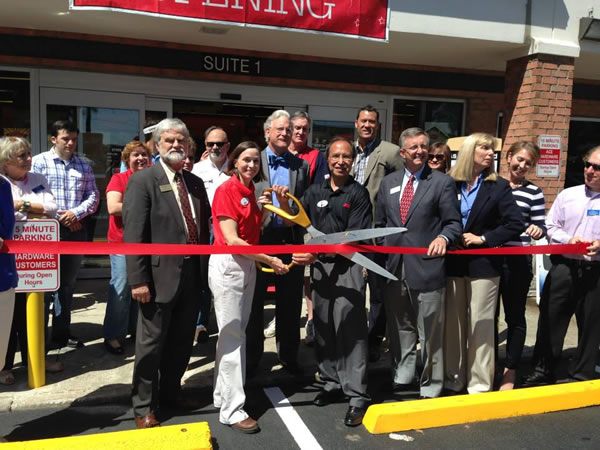
Ace Hardware Franchise Grand Opening - Herb and Gwen Velazquez SBA 7(a)

New Ace Hardware Franchise Financing

Alpharetta, GA Retail Franchise Real Estate + Working Capital

CLD was most helpful from answering my initial questions to the follow up... We would not have been able to start this business without CLD.

— Herb & Gwen Velazquez Read Story

Golden Valley Luxury Apartments - 332 Units, Bakersfield CA CMBS

Apartment Refinance — 332 Units

Bakersfield, CA Luxury Multifamily Non-Recourse · 10-Yr I/O

I had a tremendously good experience with CLD and especially with my loan specialist — she identified the ideal loan program and handled everything professionally.

— Golden Valley Apartments Read Story
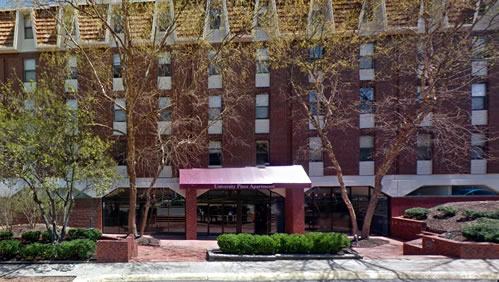
University Place Apartments - Student Housing, Columbia MO Conventional

Student Housing Refinancing — 181 Units

Columbia, MO Mixed-Use Student Housing Non-Recourse · 10-Yr

I felt confident through the process that things were under control, that my interests were protected — always a pleasure to work with.

— Mark Leifield Read Story

Want to see what real clients say about working with us?

Read Our Unfiltered Reviews

Was this page helpful?