Modified Gross Reimbursement Structure

Definition of Modified Gross Reimbursement Structure

In the context of commercial real estate and mortgage underwriting, a Modified Gross Reimbursement Structure is a hybrid leasing arrangement that sits between a Full Service Gross lease and a Triple Net (NNN) lease. In this structure, the tenant pays a base rent amount, and the responsibility for operating expenses—such as property taxes, insurance, and common area maintenance (CAM)—is shared between the landlord and the tenant according to specific terms defined in the lease agreement.

Detailed Description and Mechanics

The core mechanic of a Modified Gross structure is typically centered around a Base Year or an Expense Stop. Under this arrangement, the landlord remains responsible for the "base" level of operating costs incurred during the first year of the lease. However, the tenant is required to reimburse the landlord for their pro-rata share of any increases in those operating expenses in subsequent years.

Key components of this structure include:

  • The Base Year: This is usually the first calendar year of the lease. The landlord pays all operating expenses during this period, and this dollar amount becomes the "floor" for future calculations.
  • Expense Pass-Throughs: If property taxes or insurance premiums rise in the second or third year, the tenant pays the difference between the new cost and the Base Year cost.
  • Direct Expenses: While some expenses are reimbursed, others may be handled directly. For example, in a Modified Gross lease, the tenant often pays for their own interior utilities (electricity, gas) and janitorial services directly, while the landlord handles the exterior and structural maintenance.

Relevance to Commercial Mortgages

From the perspective of a commercial mortgage lender, the reimbursement structure is a critical factor in determining the property's valuation and the stability of its Net Operating Income (NOI). Lenders prefer Modified Gross structures over Full Service Gross structures because they offer the landlord a "hedge" against inflation and rising costs.

Lenders evaluate this structure based on the following factors:

  • Income Stability: Because the tenant absorbs the risk of rising taxes and insurance, the landlord’s cash flow remains more predictable, which reduces the risk of default on the mortgage.
  • Underwriting Adjustments: Lenders will carefully review the "expense stops" to ensure that the landlord is not exposed to excessive costs that could erode the Debt Service Coverage Ratio (DSCR).
  • Market Consistency: Lenders compare the reimbursement structure against local market standards to ensure the property remains competitive and can maintain high occupancy levels.

Advantages of the Modified Gross Structure

This structure is often viewed as a compromise that benefits both parties involved in a commercial transaction:

  • For the Landlord/Borrower: It provides protection against unexpected spikes in operating costs, ensuring that the income used to pay the mortgage remains relatively consistent.
  • For the Tenant: It provides a lower initial rent compared to some NNN leases and offers more control over certain costs, such as private utility usage.
  • For the Lender: It creates a more sustainable collateral value, as the property’s financial health is less sensitive to fluctuations in municipal tax rates or insurance market volatility.
Modified Gross Reimbursement Structure
Definition A lease structure in which the lessor is responsible for a portion of the costs of maintaining the property; typically, the tenant pays the other percentage of the costs.
Type of Word Noun
Click To Hear Pronunciation

Commercial Loan Finder

Fill this form out to find the best commercial loan programs for your needs.

Get A Free Quote

Get a free commercial loan quote. This process does not affect your credit score.

Please put your first name here.
Please put your last name here.
Please put your email here.
Please put your phone number here.
Please select a property type.

Was this page helpful?

Success Stories

See how we've helped borrowers across the country close complex deals and reach their goals.
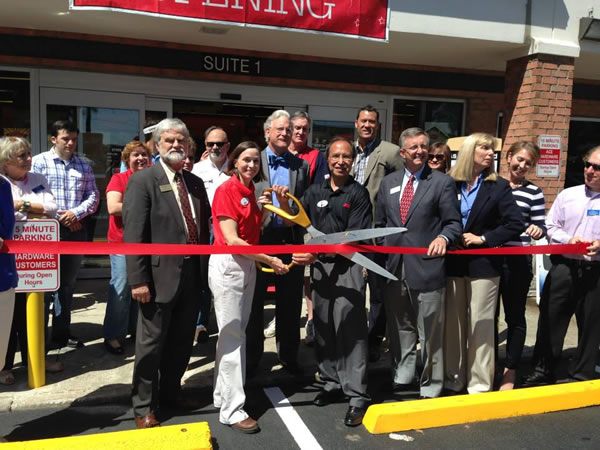
Ace Hardware Franchise Grand Opening - Herb and Gwen Velazquez SBA 7(a)

New Ace Hardware Franchise Financing

Alpharetta, GA Retail Franchise Real Estate + Working Capital

CLD was most helpful from answering my initial questions to the follow up... We would not have been able to start this business without CLD.

— Herb & Gwen Velazquez Read Story

Golden Valley Luxury Apartments - 332 Units, Bakersfield CA CMBS

Apartment Refinance — 332 Units

Bakersfield, CA Luxury Multifamily Non-Recourse · 10-Yr I/O

I had a tremendously good experience with CLD and especially with my loan specialist — she identified the ideal loan program and handled everything professionally.

— Golden Valley Apartments Read Story
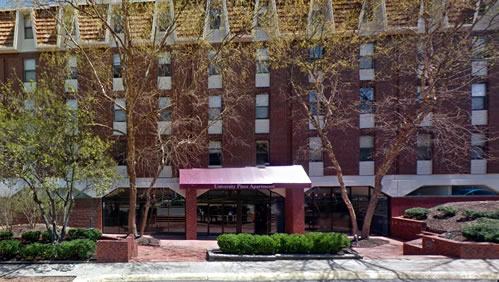
University Place Apartments - Student Housing, Columbia MO Conventional

Student Housing Refinancing — 181 Units

Columbia, MO Mixed-Use Student Housing Non-Recourse · 10-Yr

I felt confident through the process that things were under control, that my interests were protected — always a pleasure to work with.

— Mark Leifield Read Story

Want to see what real clients say about working with us?

Read Our Unfiltered Reviews