Minimum Vacancy Reserve

Definition of Minimum Vacancy Reserve

In the context of commercial mortgage underwriting, a Minimum Vacancy Reserve is a standardized percentage used by lenders to account for potential income loss due to unoccupied units or tenant turnover. Even if a property is currently 100% occupied, a lender will typically apply this "floor" to their financial projections to ensure the loan is sized against a conservative estimate of the property's cash flow.

Detailed Description

When a lender evaluates a commercial real estate asset for a loan, they calculate the Net Operating Income (NOI). To arrive at this figure, they start with the Gross Potential Income (GPI)—the total rent the property would generate if every square foot were leased at market rates—and then subtract a vacancy factor. The Minimum Vacancy Reserve represents the lowest percentage a lender is willing to use for this calculation, regardless of the property's actual historical performance.

The application of a Minimum Vacancy Reserve serves several critical functions in the lending process:

  • Risk Mitigation: Real estate markets are cyclical. A property that is full today may face vacancies tomorrow due to lease expirations, tenant bankruptcies, or broader economic downturns. The reserve acts as a buffer to ensure the borrower can still make mortgage payments during these periods.
  • Standardization: Lenders, particularly those involved in CMBS (Commercial Mortgage-Backed Securities) or agency lending (Fannie Mae/Freddie Mac), use minimum reserves to maintain consistency across their portfolios.
  • Debt Service Coverage Ratio (DSCR) Impact: Because the vacancy reserve reduces the effective gross income, it naturally lowers the calculated NOI. This, in turn, affects the DSCR, which is the ratio of available cash flow to debt payments. A higher vacancy reserve requirement may result in a lower maximum loan amount for the borrower.

In most commercial sectors, such as multifamily, office, or retail, the standard Minimum Vacancy Reserve is typically set at 5% or 10%. However, this figure can be higher for specialized asset classes or properties located in volatile markets. If the actual physical vacancy of a building is 12%, the lender will use the actual 12% figure; if the actual vacancy is only 2%, the lender will "write up" the vacancy to their 5% or 10% minimum for underwriting purposes.

It is important to distinguish this from Economic Vacancy. While physical vacancy tracks empty space, economic vacancy includes losses from concessions, non-payment of rent, and administrative units. The Minimum Vacancy Reserve is often used as a comprehensive "catch-all" to ensure the lender's Pro Forma remains realistic over the entire life of the mortgage.

Minimum Vacancy Reserve
Definition A guideline that suggests the minimum required vacancy and collection loss reserve for the proposed loan. Lenders base this guideline on numerous factors including property type, loan amount, proposed loan to value and debt service coverage, and numerous physical, financial and tenancy factors identified in the proposed loan. Unless manually adjusted by the Originator or Lender, Lenders/Banks use this guideline as the default value to calculate loan results. The vacancy and collection loss rate is the percentage of all units or space that is unoccupied, not rented or from which there is no rental income. On a pro-forma income statement a projected vacancy rate is used to estimate the vacancy allowance (both physical and economic), which is deducted from potential gross income to derive effective gross income.
Type of Word Noun
Click To Hear Pronunciation

Commercial Loan Finder

Fill this form out to find the best commercial loan programs for your needs.

Get A Free Quote

Get a free commercial loan quote. This process does not affect your credit score.

Please put your first name here.
Please put your last name here.
Please put your email here.
Please put your phone number here.
Please select a property type.

Success Stories

See how we've helped borrowers across the country close complex deals and reach their goals.

Ace Hardware Franchise Grand Opening - Herb and Gwen Velazquez SBA 7(a)

New Ace Hardware Franchise Financing

Alpharetta, GA Retail Franchise Real Estate + Working Capital

CLD was most helpful from answering my initial questions to the follow up... We would not have been able to start this business without CLD.

— Herb & Gwen Velazquez Read Story

Golden Valley Luxury Apartments - 332 Units, Bakersfield CA CMBS

Apartment Refinance — 332 Units

Bakersfield, CA Luxury Multifamily Non-Recourse · 10-Yr I/O

I had a tremendously good experience with CLD and especially with my loan specialist — she identified the ideal loan program and handled everything professionally.

— Golden Valley Apartments Read Story
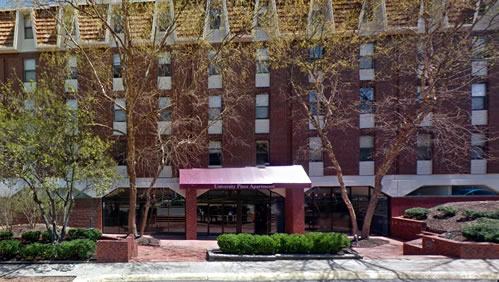
University Place Apartments - Student Housing, Columbia MO Conventional

Student Housing Refinancing — 181 Units

Columbia, MO Mixed-Use Student Housing Non-Recourse · 10-Yr

I felt confident through the process that things were under control, that my interests were protected — always a pleasure to work with.

— Mark Leifield Read Story

Want to see what real clients say about working with us?

Read Our Unfiltered Reviews

Was this page helpful?