Loan-to-Value Ratio

Loan-to-Value (LTV) Ratio in Commercial Mortgages

The Loan-to-Value (LTV) ratio is a critical financial metric used by commercial lenders to assess the level of risk associated with a mortgage. It expresses the relationship between the requested loan amount and the total appraised value of the commercial real estate being used as collateral. In the context of commercial lending, this ratio helps determine the "equity cushion" available to the lender in the event of a default.

The formula for calculating the LTV ratio is:

LTV = (Total Loan Amount / Appraised Property Value) x 100

For example, if a borrower seeks a $7,000,000 loan to purchase a shopping center appraised at $10,000,000, the LTV ratio would be 70%.

Detailed Description and Industry Standards

In commercial real estate, LTV ratios are generally more conservative than those found in residential lending. While a residential buyer might secure a loan with an LTV as high as 95% or 97%, commercial lenders typically require borrowers to maintain a higher stake in the property. Common industry standards include:

  • Multifamily Properties: Generally allow for higher LTVs, often ranging from 75% to 80%, due to the perceived stability of apartment rental income.
  • Office and Retail Space: Usually hover between 65% and 75%.
  • Specialized Properties: Hotels, industrial warehouses, or undeveloped land may see lower LTV maximums, often between 50% and 60%, due to higher operational risks or market volatility.

Lenders use the LTV ratio as a primary indicator of default risk. A lower LTV ratio suggests that the borrower has more "skin in the game," meaning they have invested more of their own capital. This reduces the likelihood that the borrower will walk away from the property during a market downturn. Furthermore, a lower LTV provides a buffer for the lender; if the property value drops, the lender is still more likely to recoup the full loan amount through a foreclosure sale.

It is important to note that the LTV ratio does not exist in a vacuum. Commercial lenders weigh the LTV alongside other metrics, most notably the Debt Service Coverage Ratio (DSCR), which measures the property's ability to cover its debt payments using its net operating income. Even if a property meets the LTV requirements, a lender may reduce the loan amount if the property's income is insufficient to safely cover the monthly mortgage payments.

In summary, the LTV ratio is a fundamental tool for risk mitigation. It determines the maximum amount of financing a borrower can obtain and significantly influences the interest rate offered, with lower LTV ratios typically earning more favorable borrowing terms.

Loan-to-Value Ratio
Definition The ratio between the principal amount of the mortgage balance, at origination or thereafter, to the current value of the underlying real estate collateral; referred to as LTV. The ratio is commonly expressed to a potential borrower as the percentage of value a lending institution is willing to finance. The ratio is dynamic and varies by lending institution, property type, geographic location, property size, among other things.
Type of Word Noun
Click To Hear Pronunciation

Commercial Loan Finder

Fill this form out to find the best commercial loan programs for your needs.

Get A Free Quote

Get a free commercial loan quote. This process does not affect your credit score.

Please put your first name here.
Please put your last name here.
Please put your email here.
Please put your phone number here.
Please select a property type.

Was this page helpful?

Success Stories

See how we've helped borrowers across the country close complex deals and reach their goals.
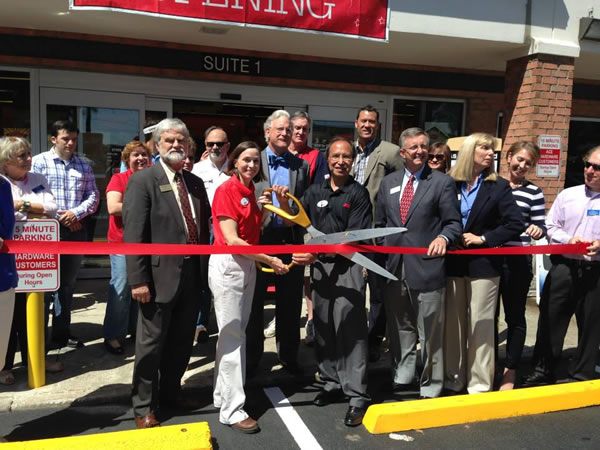
Ace Hardware Franchise Grand Opening - Herb and Gwen Velazquez SBA 7(a)

New Ace Hardware Franchise Financing

Alpharetta, GA Retail Franchise Real Estate + Working Capital

CLD was most helpful from answering my initial questions to the follow up... We would not have been able to start this business without CLD.

— Herb & Gwen Velazquez Read Story

Golden Valley Luxury Apartments - 332 Units, Bakersfield CA CMBS

Apartment Refinance — 332 Units

Bakersfield, CA Luxury Multifamily Non-Recourse · 10-Yr I/O

I had a tremendously good experience with CLD and especially with my loan specialist — she identified the ideal loan program and handled everything professionally.

— Golden Valley Apartments Read Story

University Place Apartments - Student Housing, Columbia MO Conventional

Student Housing Refinancing — 181 Units

Columbia, MO Mixed-Use Student Housing Non-Recourse · 10-Yr

I felt confident through the process that things were under control, that my interests were protected — always a pleasure to work with.

— Mark Leifield Read Story

Want to see what real clients say about working with us?

Read Our Unfiltered Reviews