Heavy Industrial Surrounding Land Use

Definition of Heavy Industrial Surrounding Land Use

In the context of commercial real estate and mortgage lending, Heavy Industrial Surrounding Land Use refers to the presence of large-scale manufacturing, processing, or infrastructure facilities adjacent to or in the immediate vicinity of a subject property. Unlike "light industrial" use, which typically involves clean assembly or warehousing, heavy industrial use is characterized by high-impact operations that may produce significant noise, odors, vibrations, heavy freight traffic, and environmental pollutants.

Detailed Description and Characteristics

Heavy industrial areas are generally zoned for activities that are incompatible with residential or high-end commercial uses due to their intensity. Common examples of heavy industrial neighbors include:

  • Chemical and Petrochemical Plants: Refineries, processing plants, and bulk storage facilities.
  • Heavy Manufacturing: Steel mills, automotive assembly plants, and foundries.
  • Waste Management: Landfills, recycling centers, and hazardous waste treatment facilities.
  • Logistics Hubs: Major rail yards, deep-water ports, and intermodal freight terminals.
  • Energy Production: Power plants and large-scale substation complexes.

Impact on Commercial Mortgages and Lending

Lenders scrutinize surrounding land use during the underwriting process because it directly affects the collateral value and risk profile of the loan. The following factors are primary considerations for commercial mortgage providers:

1. Environmental Liability and Risk
Proximity to heavy industrial sites increases the risk of off-site migration of contaminants. If a neighboring property has leaked hazardous chemicals into the soil or groundwater, it could migrate to the subject property. Lenders will typically require a Phase I Environmental Site Assessment (ESA), and potentially a Phase II, to ensure the subject property is not being negatively impacted by its neighbors.

2. Valuation and Marketability
The "highest and best use" of a property can be limited by its surroundings. Heavy industrial neighbors may cause external obsolescence—a loss in value due to factors outside the property lines. This can make the property less attractive to future tenants or buyers, leading lenders to apply more conservative Loan-to-Value (LTV) ratios or higher interest rates to compensate for the perceived market risk.

3. Zoning and Buffering Requirements
Lenders will verify that the subject property complies with local zoning ordinances. They also look for "buffer zones" or transitional uses (such as light industrial or green belts) that separate the property from heavy industrial activity. Lack of adequate buffering can lead to future legal disputes or rezoning issues that might jeopardize the property’s income-producing potential.

4. Physical Degradation
Constant vibration from heavy machinery or heavy truck traffic can lead to accelerated wear and tear on a building's foundation and facade. Mortgage inspectors often pay close attention to structural integrity when a property is located in a heavy industrial corridor.

Summary for Borrowers

While Heavy Industrial Surrounding Land Use does not automatically disqualify a property from securing a commercial mortgage, it necessitates deeper due diligence. Borrowers should be prepared for rigorous environmental testing and should be able to demonstrate how the property’s specific use remains viable despite its industrial proximity.

Heavy Industrial Surrounding Land Use
Definition Identifies the general land use of the surrounding and/or adjacent properties in comparison to the collateral property. Heavy Industrial refers to an Industrial property subtype in which the property is occupied by one or more tenants and the property is utilized for heavy industrial purposes (e.g. heavy manufacturing, petroleum products, cement, junk yards, auto junk yards, rock crushing plant, steel fabrication, etc.).
Type of Word Noun
Click To Hear Pronunciation

Commercial Loan Finder

Fill this form out to find the best commercial loan programs for your needs.

Get A Free Quote

Get a free commercial loan quote. This process does not affect your credit score.

Please put your first name here.
Please put your last name here.
Please put your email here.
Please put your phone number here.
Please select a property type.

Success Stories

See how we've helped borrowers across the country close complex deals and reach their goals.
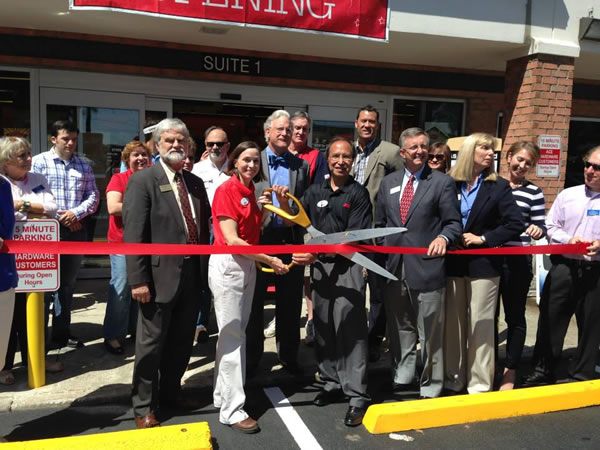
Ace Hardware Franchise Grand Opening - Herb and Gwen Velazquez SBA 7(a)

New Ace Hardware Franchise Financing

Alpharetta, GA Retail Franchise Real Estate + Working Capital

CLD was most helpful from answering my initial questions to the follow up... We would not have been able to start this business without CLD.

— Herb & Gwen Velazquez Read Story
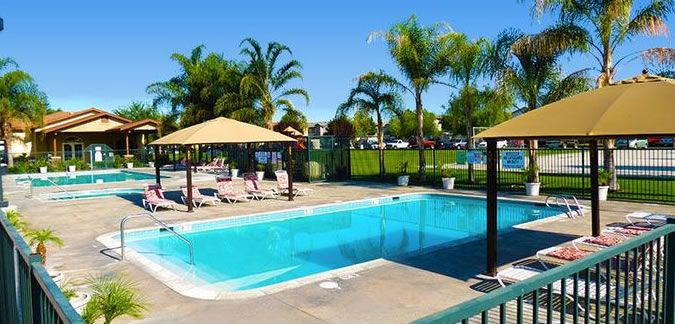
Golden Valley Luxury Apartments - 332 Units, Bakersfield CA CMBS

Apartment Refinance — 332 Units

Bakersfield, CA Luxury Multifamily Non-Recourse · 10-Yr I/O

I had a tremendously good experience with CLD and especially with my loan specialist — she identified the ideal loan program and handled everything professionally.

— Golden Valley Apartments Read Story
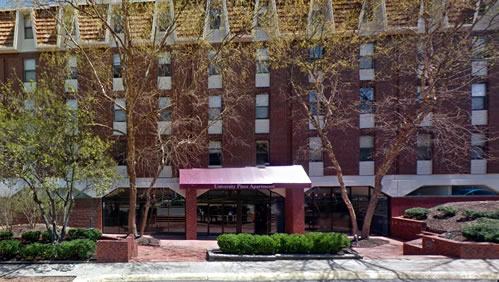
University Place Apartments - Student Housing, Columbia MO Conventional

Student Housing Refinancing — 181 Units

Columbia, MO Mixed-Use Student Housing Non-Recourse · 10-Yr

I felt confident through the process that things were under control, that my interests were protected — always a pleasure to work with.

— Mark Leifield Read Story

Want to see what real clients say about working with us?

Read Our Unfiltered Reviews

Was this page helpful?